What is cold atmospheric plasma?
Plasma is the fourth state of matter — an ionised gas producing reactive oxygen and nitrogen species (RONS) that interact with biological tissue. "Cold" means it operates near room temperature, making it safe for skin and living tissue.
How it works
An electrical discharge ionises ambient air or gas, generating plasma. This produces RONS — reactive molecules that stimulate cellular repair, kill bacteria, and activate collagen production without heat or chemicals.
What the science shows
Over a decade of peer-reviewed research supports CAP's use in wound healing, dermatology, dentistry, and antimicrobial applications. A 2024 FDA clearance for surgical CAP use marks a major milestone in clinical legitimacy.
Home vs clinical use
Clinical CAP systems can cost tens of thousands. A wave of consumer devices launched since 2023 now makes the technology accessible — though output, safety, and intended use varies significantly between products.
Roots in Tesla's research
Cold plasma technology traces back to Nikola Tesla's high-frequency electrical experiments in the 1890s. A century of science has since mapped the biological mechanisms behind what he was observing.
CAP devices — an honest overview
Devices are grouped by tier and use case. Prices are approximate and subject to change. We have no commercial relationship with any product listed.
 PHLAS — terraplasma / Hyped About Science
 Plasmatique — GCS Bio / FibroblastUSA
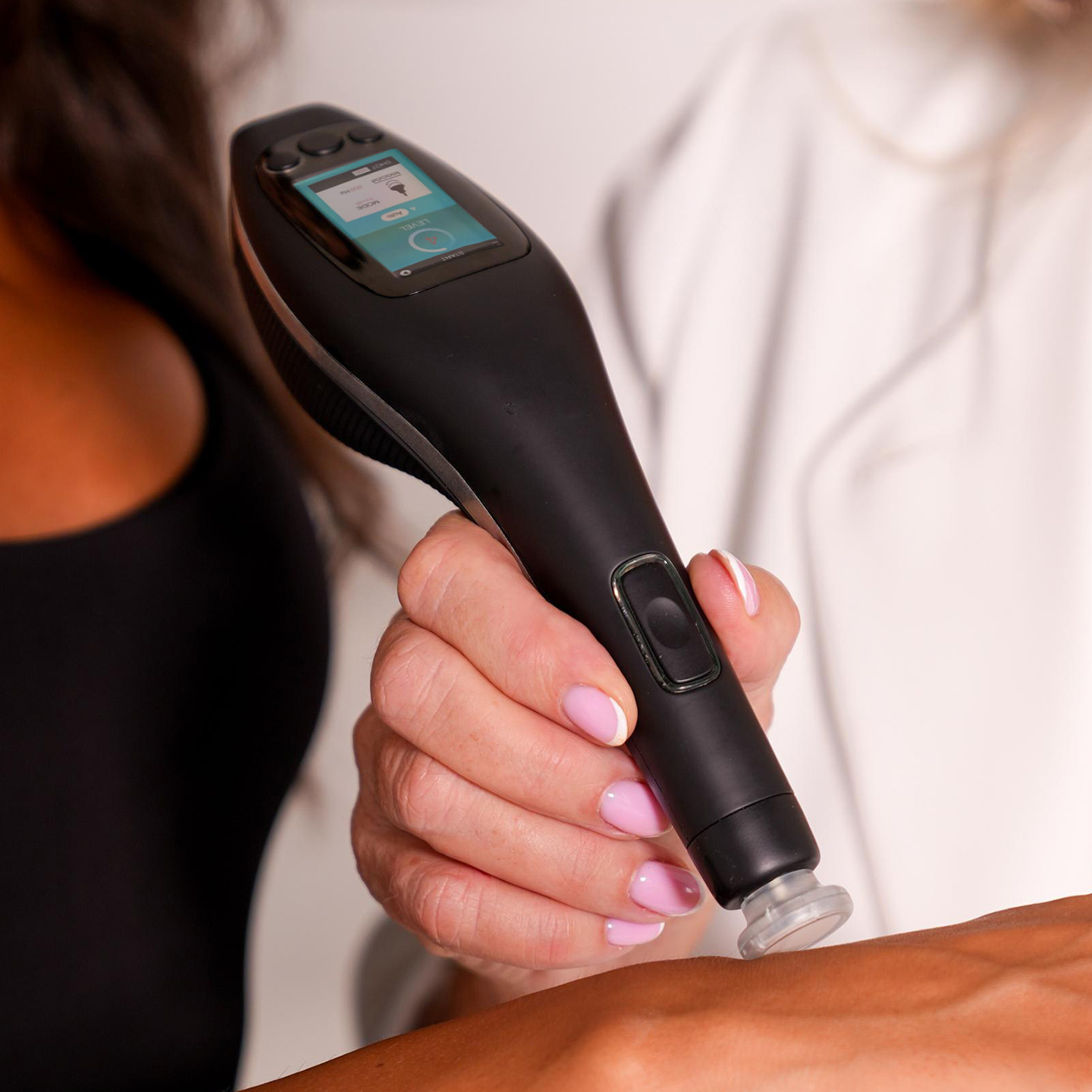 CoolJet™ — Plasma Pen
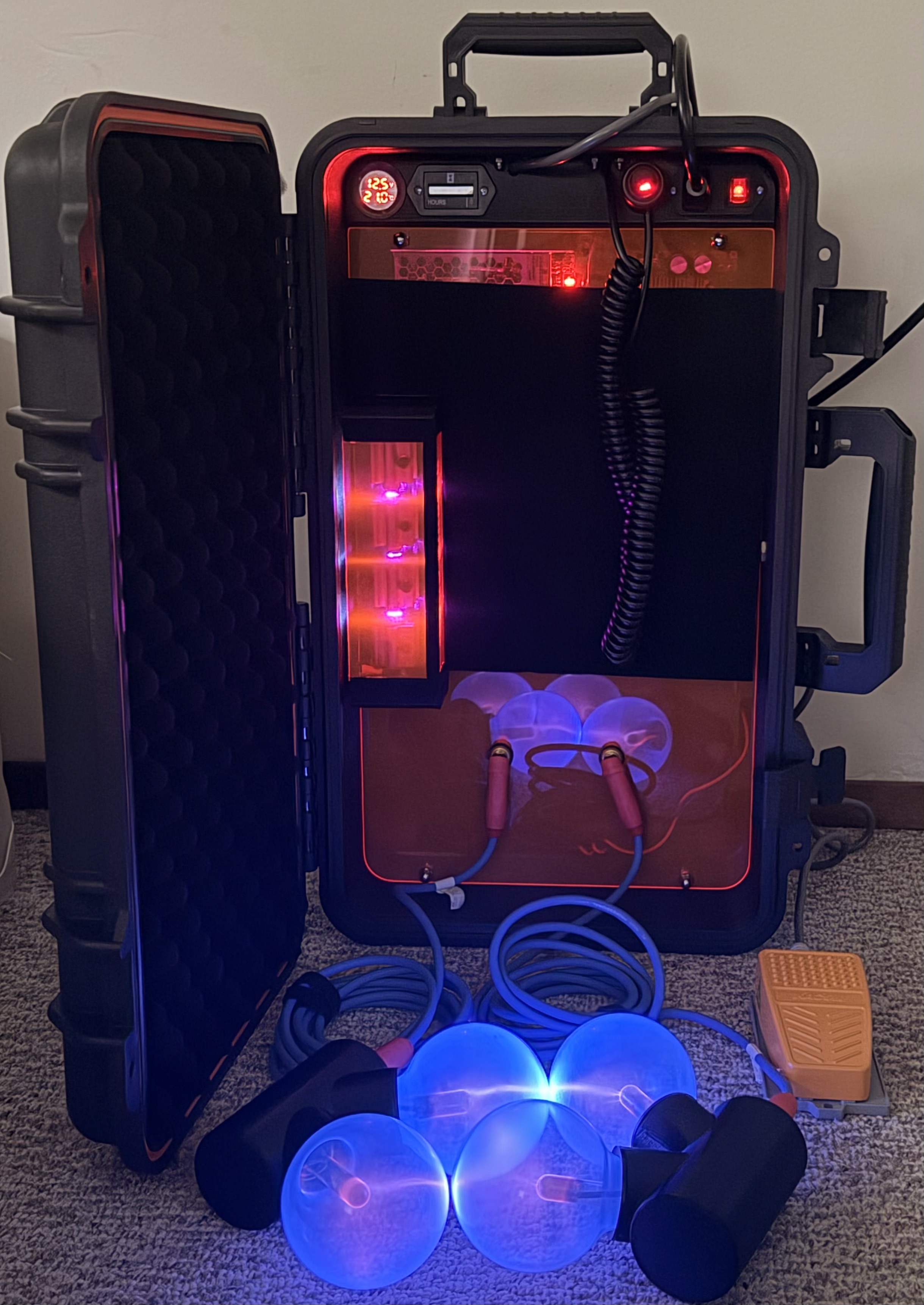 FlamePlasma Generator — flameplasma.com
Device photo available
to members only
 Plaxel LUXE — Plaxel
 plasma care® — terraplasma medical GmbH
 kINPen® med — neoplas med GmbH
 Renuvion® / J-Plasma® — Apyx Medical
How the devices compare
A factual overview of key criteria across the devices covered in this guide. Data compiled from publicly available product information.
| Device | Tier | Technology | Home use | Approx. price | Primary focus | Clinical evidence | Training needed |
|---|---|---|---|---|---|---|---|
| PHLAS | Consumer | SMD (no current to skin) | ✓ Designed for home | ~$399 | Acne, skin barrier | Yes (dermatologically tested) | No |
| Plasmatique | Consumer / Pro | DBD + ozone filter | ∼ Trained home users | ~$1,200–1,800 | Skin aesthetics, collagen | Partial | Recommended |
| CoolJet™ | Professional | CAP jet (35–40°C) | Clinic preferred | Quote-based | Skin, acne, pigmentation | Partial | Yes — included |
| FlamePlasma Generator | Professional | HF spark gap (tungsten) | ✓ Home & clinic | Contact maker | Full-body wellness, healing | CAP research base | Protocol guide included |
| TZLA Machine | Professional | HF plasma (Tesla lineage) | ✓ Via membership | Membership fee | Full-body, biohacking | Community documented | No |
| Plaxel LUXE | Professional | Plasma fibroblast | Clinic / trained only | ~$1,500–3,000 | Skin lifting, tightening | Partial | Yes — required |
| plasma care® | Clinical | Cold plasma jet | Clinical only | Healthcare pricing | Wound healing | Class IIa certified | Yes — clinical |
| kINPen® med | Clinical | Argon plasma jet | Research / clinical | Research pricing | Wound care, dermatology | Gold standard — most studied | Yes — clinical |
| Renuvion® / J-Plasma® | Clinical | Helium plasma jet | Surgical only | Hospital pricing | Surgical ablation, oncology | FDA 510(k) cleared (2024) | Yes — surgical |
Which device is right for you?
Your best choice depends on your goals, experience level, and intended use. Here's a straightforward guide.
🌿 I'm new to plasma therapy
Start with a consumer device with a strong safety profile, minimal training requirements, and clear documentation.
💪 I'm a biohacker or athlete
You want broad-area, higher-output plasma for recovery, pain, and systemic wellness — not just skin aesthetics.
🩺 I'm a wellness practitioner
You need something durable, professional, and suitable for working with clients across a range of conditions.
✨ I want skin rejuvenation only
Focused purely on skin aesthetics — anti-aging, acne, tone, texture. No full-body applications needed.
🏥 I'm a medical professional
You need certified, regulated, clinically validated technology for patient care in a clinical setting.
⚠️ Things to watch out for
Not all devices are equal. When evaluating any plasma product, ask:
What the research shows
Cold atmospheric plasma is one of the most actively researched emerging technologies in biomedicine. These are key findings from the published literature.
Wound healing market share
Wound healing is the largest application segment in the global CAP market — driven by clinical results in diabetic ulcers, burns, and chronic wounds that resist standard treatment.
Projected market by 2033
The global cold plasma healthcare market is growing at 13–15% annually, driven by wound care, dermatology, oncology research, and the emerging consumer device segment.
PHLAS Kickstarter overfunding
Consumer demand for accessible plasma devices is significant. PHLAS exceeded its crowdfunding goal by over 400% in 2025, signalling growing mainstream awareness.
FDA surgical clearance
The Canady Helios™ Cold Plasma system received FDA 510(k) clearance for soft-tissue ablation during surgery in 2024 — a landmark moment for clinical legitimacy.
Bacterial elimination time
Studies show CAP eliminates 10 out of 11 oral bacterial species — including antibiotic-resistant strains — in as little as 60 seconds of exposure at clinical settings.
CAP + chemotherapy synergy
A meta-analysis published in Nature (April 2025) found combining CAP with doxorubicin significantly reduced melanoma cell viability — opening a new avenue for oncology research.
Research disclaimer: Statistics and findings cited are drawn from published peer-reviewed literature and market research reports. This site does not make medical claims. Individual results vary. Plasma therapy should be considered complementary to — not a replacement for — qualified medical care. Always consult a healthcare professional for any medical condition.